
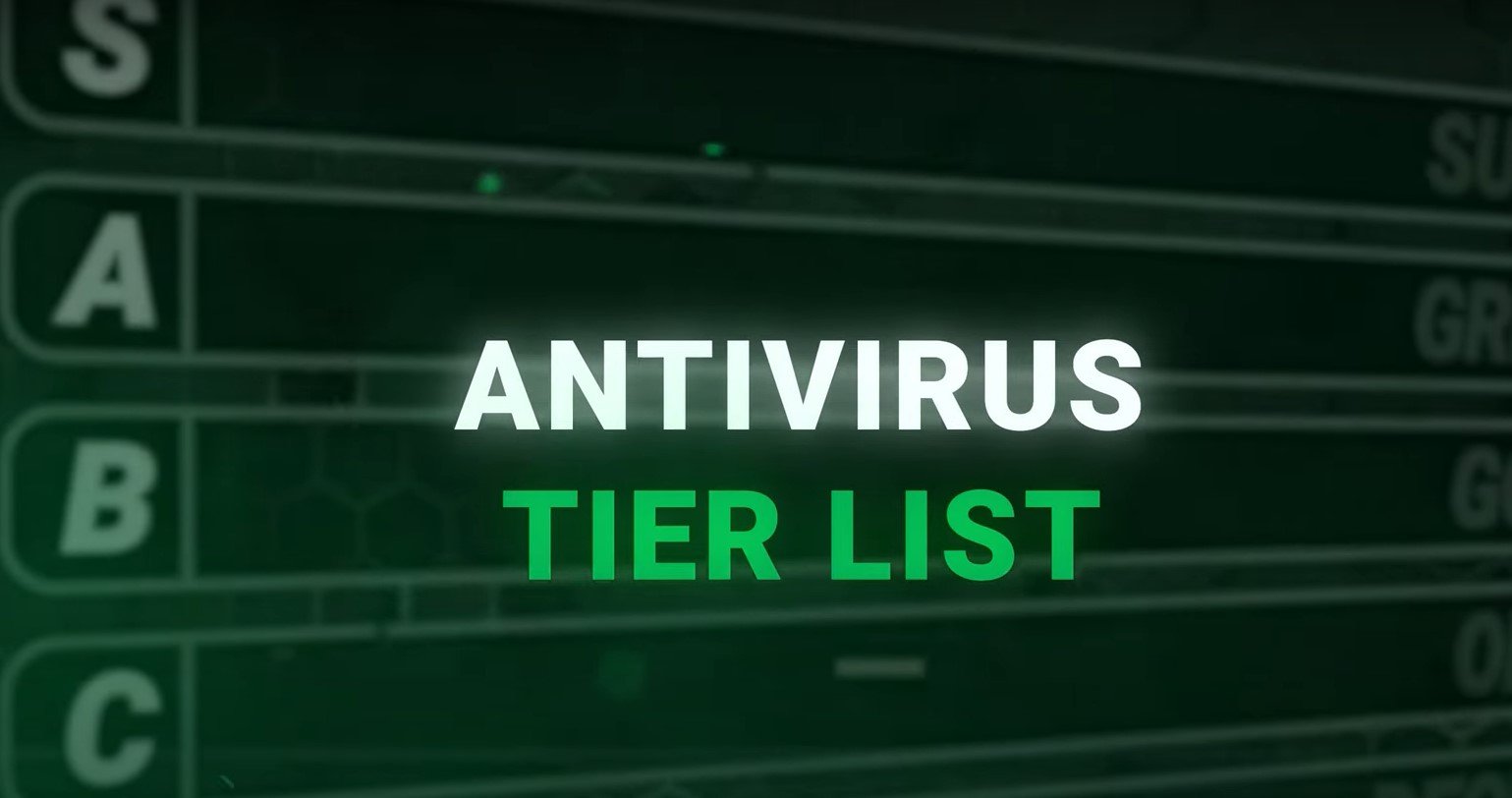
While “best” and “worst” can be subjective and depend on individual needs and testing conditions, here’s a general antivirus tier list for 2025 based on consistent performance in independent tests, features, ease of use, and overall value. Keep in mind that the antivirus landscape is constantly evolving, so this is a snapshot of the current understanding.
TIER LIST:
S-Tier (Excellent Protection & Features):
- Norton 360: Consistently scores top marks in malware detection, offers a wide range of features (firewall, VPN, password manager, identity theft protection – often with LifeLock), and generally has good performance. It’s often considered a top overall choice.
- Bitdefender Antivirus Plus / Total Security: Another consistent top performer in protection with a strong set of features, including a VPN, safe banking tools, and multi-layered ransomware protection. Often praised for its effectiveness and relatively low system impact.
A-Tier (Very Good Protection & Features):
- TotalAV: Generally strong in malware detection and offers a user-friendly interface with good additional features like system clean-up tools and a VPN. It often provides good value for the price.
- McAfee Antivirus / Total Protection: Offers good protection and a broad range of features, especially in its family plans, which often cover unlimited devices. It includes web protection, parental controls, and sometimes identity theft monitoring.
- ESET NOD32 / Security Ultimate: Consistently receives high scores from independent testing labs for its strong malware detection rates and often has a light system footprint. The Ultimate version includes a wider array of features like a password manager and data encryption.
- Avira Antivirus: Known for its strong malware detection capabilities (often ranking very high in tests) and a good range of features, including a free version with decent protection. Its paid versions offer more advanced features like a firewall and VPN.
B-Tier (Good Protection & Decent Features):
- Malwarebytes Premium Security: While excellent at removing existing malware, its real-time protection sometimes lags slightly behind the top tiers in some tests. However, it’s still a very effective tool, especially when combined with Windows Defender. Known for its ease of use and fast scans.
- Sophos Home Premium: Provides business-grade security features for home users, including remote management. It generally offers good protection and a clean interface.
- Trend Micro Internet Security: Generally provides solid protection and a user-friendly interface, often at a more affordable price point.
C-Tier (Basic Protection or Notable Drawbacks):
- Webroot SecureAnywhere: Known for its very small footprint and fast scans. While it can be effective against many threats, it sometimes doesn’t score as consistently high in independent tests compared to higher-tier options.
- AVG Antivirus: While offering a free version, its paid versions often don’t stand out significantly compared to competitors in terms of protection or features in recent tests. It can also sometimes be intrusive with upgrade prompts.
- Avast Free Antivirus: Similar to AVG (as they are now under the same company), the free version offers basic protection, but the paid versions may not always justify the cost compared to competitors. There have also been past concerns regarding data privacy practices.
D-Tier (Potentially Problematic or Consistently Poor Performance):
- Antivirus solutions with consistently low detection rates in independent testing.
- Software that significantly impacts system performance.
- Programs with a history of privacy issues or deceptive practices.
- Outdated or unsupported antivirus software.
Important Considerations:
- Independent Testing: Always look at the latest results from reputable independent testing labs like AV-Test, AV-Comparatives, and SE Labs. Their rigorous testing provides valuable insights into real-world protection capabilities.
- Features You Need: Consider which extra features are important to you (VPN, password manager, parental controls, etc.) when making your decision.
- Ease of Use: Choose a program with an interface that you find intuitive and easy to manage.
- Performance Impact: A good antivirus should protect your system without significantly slowing it down.
- Price and Value: Balance the cost of the subscription with the level of protection and features offered. Free antivirus software can provide basic protection, but paid versions typically offer more comprehensive security.
- Bundled Security: Some operating systems (like Windows with Microsoft Defender) have built-in security that has improved significantly. For many users with safe browsing habits, this might be sufficient when combined with caution and regular updates. However, third-party solutions often offer more robust protection and additional features.
Disclaimer: This tier list is based on general trends and available information. Antivirus effectiveness can change with updates and new threats. Always do your own research and consider your specific needs when choosing an antivirus solution.