
It sounds like you’re looking for a quick and efficient way to leverage Artificial Intelligence (AI) for Search Engine Optimization (SEO) tasks like keyword research, blog writing, and SEO audits, with the ultimate goal of ranking number one on Google. While AI can significantly speed up and enhance these processes, achieving the top spot on Google is a multifaceted and ongoing effort that involves more than just a few minutes of AI work.
Let’s break down how AI can assist with each of these areas and provide a realistic perspective:
1. Keyword Research with AI
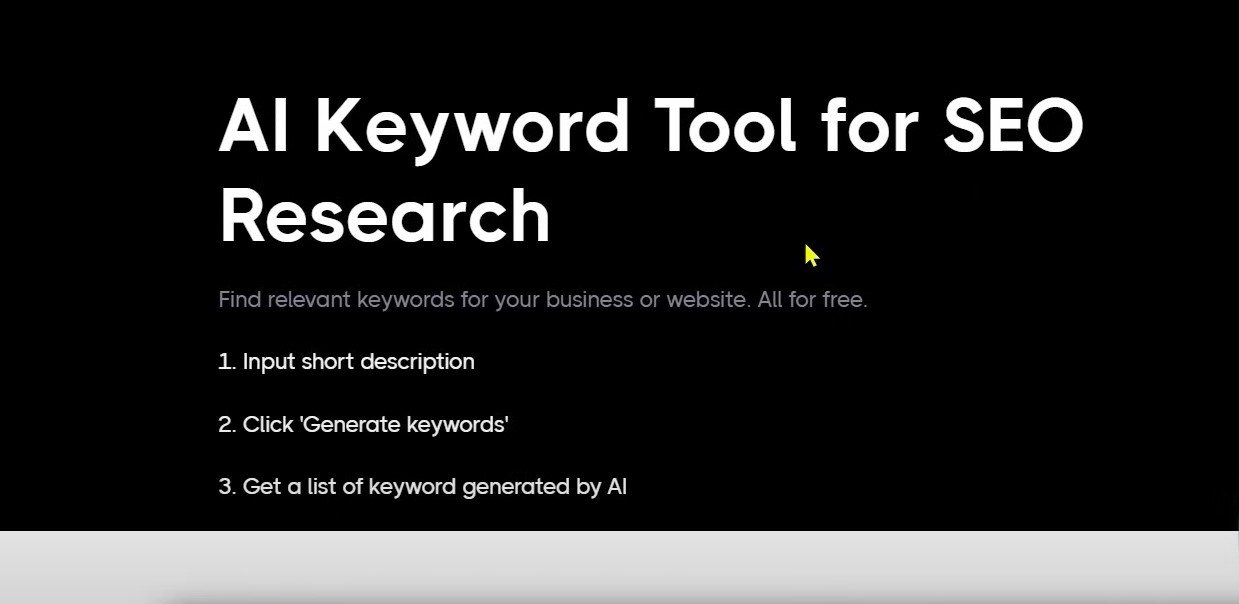
AI tools can analyze vast amounts of data to identify relevant keywords with high search volume and low competition. They can also help uncover long-tail keywords and related terms you might not have considered.
How AI can help in minutes:
- AI Keyword Research Tools: Several AI-powered tools can generate keyword ideas based on a seed keyword or topic you provide. These tools often analyze search volume, keyword difficulty, and related questions.
- Example: You input “best coffee beans,” and the AI tool quickly returns a list including “best organic coffee beans,” “best fair trade coffee beans for espresso,” “where to buy fresh roasted coffee beans online,” along with their estimated search volume and difficulty scores.
- Competitor Analysis: AI can analyze the keywords your competitors are ranking for, helping you identify opportunities.
- Content Gap Analysis: AI can identify topics and keywords that your competitors are covering but you are not.
Keep in mind: While AI can provide a great starting point, human oversight is crucial. You need to evaluate the relevance and intent behind the suggested keywords to ensure they align with your target audience and content strategy.
2. Blog Writing with AI
AI writing assistants can generate blog posts, articles, and other content formats relatively quickly.
How AI can help in minutes:
- AI Content Generators: You can provide an AI writing tool with a topic, keywords, and desired tone, and it can generate a draft article within minutes.
- Example: You provide the AI with the keyword “benefits of meditation for stress relief” and specify a friendly and informative tone. The AI can generate an introductory paragraph, key benefits with explanations, and a concluding thought in a short amount of time.
- Content Optimization: AI can analyze existing content and suggest improvements for readability, SEO, and engagement.
Keep in mind: While AI can produce text rapidly, the quality might require significant editing and fact-checking. To rank well, your content needs to be original, insightful, well-researched, and provide genuine value to the reader. Relying solely on AI-generated content without substantial human input may result in generic or inaccurate information that doesn’t resonate with your audience or meet Google’s quality guidelines.
3. SEO Audit with AI
AI-powered SEO audit tools can quickly analyze various aspects of your website’s on-page and technical SEO.
How AI can help in minutes:
- AI SEO Audit Tools: You can input your website URL into an AI audit tool, and it will quickly scan your site for potential issues related to site speed, mobile-friendliness, broken links, meta descriptions, title tags, and more.
- Example: An AI audit tool might highlight that several of your pages have missing meta descriptions, your site’s loading speed on mobile is below average, and there are a few broken internal links.
- Actionable Recommendations: These tools often provide specific recommendations on how to fix the identified issues.
Keep in mind: While AI can quickly identify technical SEO problems, implementing the fixes often requires technical expertise and time. Additionally, SEO is not just about technical aspects; it also involves content quality, user experience, and off-page factors like backlinks.
Achieving #1 Ranking on Google
Ranking number one on Google is a competitive endeavor that depends on numerous factors, including:
- High-Quality, Comprehensive Content: Content that thoroughly addresses the user’s search query, is well-written, accurate, and engaging.
- Keyword Relevance and Optimization: Strategically using relevant keywords naturally within your content, title tags, meta descriptions, and headings.
- Technical SEO: Ensuring your website is technically sound, with fast loading speeds, mobile-friendliness, proper site structure, and indexability.
- User Experience (UX): Providing a seamless and positive experience for visitors, including easy navigation, clear calls to action, and engaging design.
- Backlinks: Earning high-quality backlinks from authoritative and relevant websites, signaling to Google that your content is trustworthy and valuable.
- E-A-T (Expertise, Authoritativeness, Trustworthiness): Demonstrating expertise in your niche, building authority, and establishing trust with your audience and Google.
- Competition: The level of competition for your target keywords significantly impacts how difficult it is to rank at the top.
In conclusion, AI can be a powerful ally in your SEO efforts, enabling you to perform keyword research, generate content drafts, and conduct SEO audits much faster than traditional methods. However, it’s crucial to understand that:
- AI is a tool, not a magic bullet: It requires human guidance, review, and refinement to produce truly high-quality and effective SEO results.
- Ranking #1 takes time and effort: It involves a holistic approach to SEO, consistent effort, and adapting to Google’s algorithm updates.
- Focus on providing value: Ultimately, ranking well on Google is about providing the best possible content and user experience for your target audience.
While AI can help you get started and streamline certain tasks in minutes, achieving and maintaining the number one ranking on Google requires a comprehensive and ongoing SEO strategy.