
Ah, crafting those perfect meta titles and descriptions! It’s like writing tiny little advertisements for your website. Using AI can definitely give you a leg up. Here’s how you can leverage AI to create SEO-friendly ones:
1. Understand the Basics of Meta Titles and Descriptions
Before diving into AI, let’s quickly recap what makes a good meta title and description:
- Meta Title:
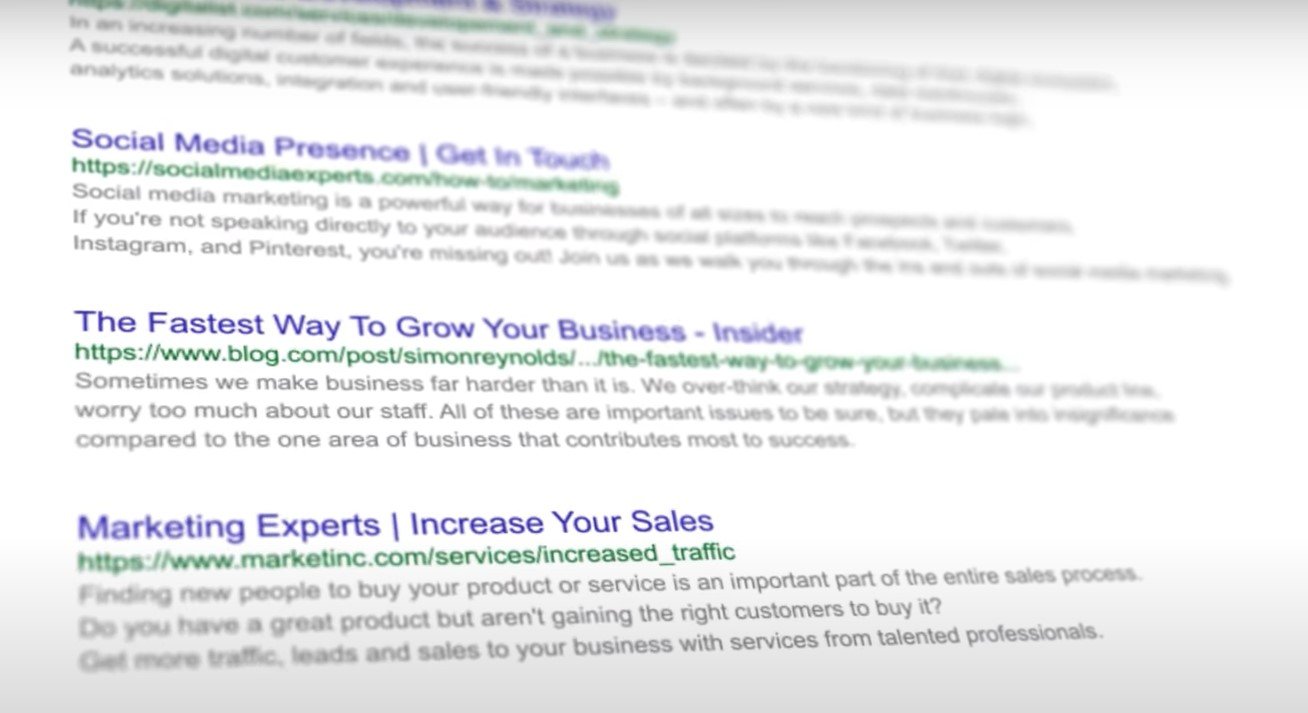
- Appears in search engine results pages (SERPs) as the clickable headline.
- Ideally under 60 characters to avoid truncation.
- Includes your primary keyword(s) early on.
- Accurately reflects the page content.
- Compelling enough to entice clicks.
- Meta Description:
- Appears below the meta title in the SERPs.
- Ideally under 160 characters.
- Provides a concise summary of the page’s content.
- Includes relevant keywords naturally.
- Acts as a call to action, encouraging users to click.
2. How AI Can Help
AI tools excel at analyzing data, identifying patterns, and generating text. Here’s how you can use them for meta titles and descriptions:
- Keyword Research and Analysis: AI can analyze vast amounts of keyword data to identify the most relevant and high-potential keywords for your target audience and page content. This ensures your meta elements include terms people are actually searching for.
- Content Summarization: AI can quickly read and understand your page content, then generate concise and accurate summaries for your meta description. This saves you time and ensures the description aligns with the page.
- Generating Variations and Options: Instead of struggling to come up with different phrasing, AI can generate multiple title and description options based on your keywords and content. This allows you to A/B test different versions to see what performs best.
- Optimizing for Click-Through Rate (CTR): Some advanced AI tools can analyze what types of language and phrasing tend to get higher click-through rates in search results. They can then suggest or generate meta elements optimized for CTR.
- Ensuring Character Limits: AI tools are excellent at adhering to character limits, so you don’t have to manually count and edit excessively.
- Competitive Analysis: AI can analyze the meta titles and descriptions of your top-ranking competitors to identify successful patterns and help you create even more compelling ones.
3. Steps to Write SEO-Friendly Meta Titles and Descriptions with AI
Here’s a practical workflow you can follow:
- Identify Your Target Keyword(s): Determine the primary and secondary keywords for the specific page you’re optimizing.
- Provide Context to the AI: Give the AI tool the following information:
- The target keyword(s).
- A brief summary of the page’s content. You can even provide the URL of the page.
- Your desired tone (e.g., informative, persuasive, question-based).
- Any unique selling points or key information you want to highlight.
- Desired length constraints (character limits).
- Generate Options: Use the AI tool to generate multiple meta title and description options based on the information you provided.
- Review and Refine: Don’t blindly accept the AI’s output. Review each suggestion carefully and ensure:
- Accuracy: Does it accurately reflect the page content?
- Relevance: Does it include your target keywords naturally?
- Clarity: Is it easy for users to understand?
- Compellingness: Does it make users want to click?
- Uniqueness: Does it stand out from the competition?
- Make Edits: Feel free to edit and refine the AI-generated suggestions to better align with your brand voice and marketing goals. You might want to add stronger calls to action or more specific benefits.
- A/B Test (Optional but Recommended): If your platform allows, test different versions of your meta titles and descriptions to see which ones result in higher click-through rates. You can use the AI to generate variations for your tests.
- Implement: Once you’re satisfied, implement the optimized meta title and description on your webpage.
4. Popular AI Tools for Meta Title and Description Generation
Many AI writing assistants and SEO tools offer features for generating meta titles and descriptions. Some popular options include:
- Jasper (formerly Jarvis): A powerful AI writing assistant with specific templates for SEO meta descriptions and titles.
- Surfer SEO: An SEO tool that uses AI to analyze top-ranking pages and suggest optimized meta elements based on data.
- Rytr: An AI writing tool with a simple interface for generating meta descriptions and titles.
- SEMrush AI Writing Assistant: Integrated within the SEMrush platform, this tool can help generate SEO-friendly content, including meta descriptions.
- Many others: Numerous other AI content generation tools and even some browser extensions offer similar functionalities.
Key Takeaway:
AI is a valuable tool for streamlining the process of writing SEO-friendly meta titles and descriptions. It can help you with keyword integration, content summarization, and generating multiple options. However, remember that human oversight and refinement are crucial to ensure accuracy, compellingness, and alignment with your overall SEO strategy. Treat AI as a helpful assistant, not a complete replacement for your own expertise.