
Building an AI salesman involves creating a system that can automate and enhance various stages of the sales process using artificial intelligence. The complexity can range from a simple chatbot answering basic inquiries to a sophisticated AI agent that can qualify leads, conduct personalized outreach, and even assist in closing deals.
Here’s a breakdown of the steps and considerations involved in building an AI salesman:
1. Define the Scope and Objectives:
- What specific sales tasks do you want to automate or improve? (e.g., lead generation, qualification, product recommendations, answering FAQs, scheduling meetings, follow-ups).
- What are your business goals for implementing an AI salesman? (e.g., increased efficiency, reduced costs, improved lead quality, higher conversion rates, better customer experience).
- Who is your target audience? Understanding their needs and pain points will help tailor the AI’s interactions.
2. Choose the Right AI Technology and Platform:
The technology you choose will depend on the complexity of your objectives and your technical resources (coding vs. no-code).
a) No-Code/Low-Code AI Platforms:
These platforms allow you to build AI-powered sales tools without extensive coding knowledge. They often offer visual interfaces and pre-built components. Examples include:
- AI Chatbot Builders: Platforms like Landbot, Tidio, Intercom, ManyChat, HubSpot Chatbot Builder, and Chatbase allow you to create conversational AI agents for lead capture, qualification, and customer interaction.
- No-Code AI Automation Tools: Tools like Zapier Agents and Make (Integromat) can integrate AI capabilities into automated workflows for tasks like lead enrichment and personalized outreach.
- AI-Powered App Builders: Platforms like Glide allow you to create custom, AI-integrated apps for field sales or internal sales tools.
- Specific AI Sales Assistant Platforms: Some platforms like Regie.ai and My AI Front Desk are specifically designed for no-code AI sales assistance, offering features for outreach, scheduling, and more.
b) AI Development Platforms (for more complex solutions):
If you require more advanced natural language understanding, personalized interactions, and integration with complex systems, you might need to work with AI development platforms and potentially involve coding. Examples include:
- Cloud-based AI Services: Google Cloud AI, Amazon SageMaker, Microsoft Azure AI offer a wide range of AI services, including natural language processing, machine learning, and more.
- AI Agent Frameworks: Tools like Botpress provide more flexibility for building sophisticated AI agents.
3. Define the AI Salesman’s Capabilities and Workflow:
- Conversation Design: Plan the dialogues and decision trees your AI salesman will follow. Consider different scenarios and user inputs.
- Data Integration: Determine what data sources the AI will need to access (e.g., CRM, product catalogs, website content, knowledge bases).
- Natural Language Understanding (NLU): If using more advanced AI, define how the AI will interpret user language, identify intents, and extract relevant information.
- Actions and Integrations: Specify what actions the AI salesman will perform (e.g., send emails, schedule meetings, update CRM records) and what other tools it needs to integrate with.
4. Build and Train Your AI Salesman:
- No-Code Approach: Use the visual builders and pre-built components of your chosen platform to design the conversation flow and integrate with other tools. You’ll likely need to provide training data in the form of example questions and answers or connect the AI to your knowledge base.
- Coding Approach: Develop the AI model using programming languages (like Python) and AI/ML libraries. Train the model with relevant sales data to enable it to understand language, identify patterns, and make predictions.
5. Integrate with Your Sales and Marketing Systems:
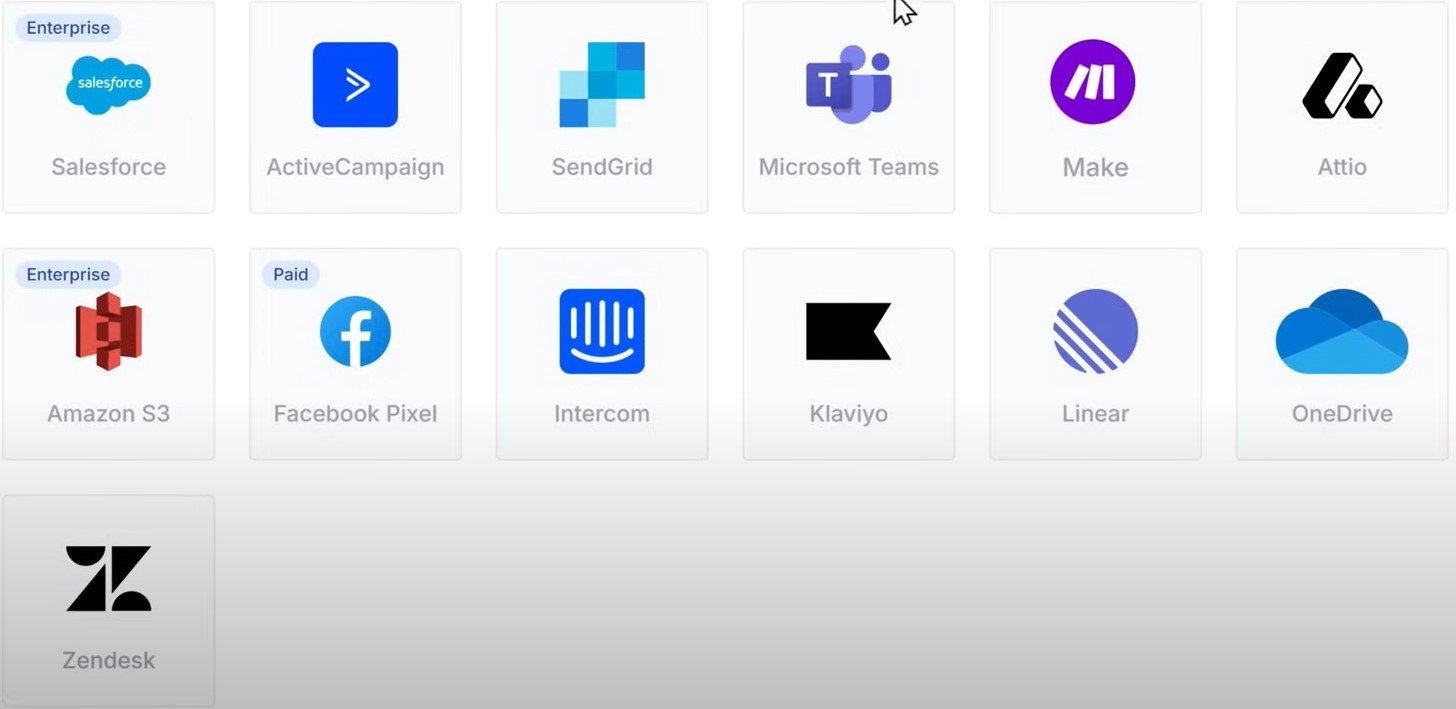
- Connect your AI salesman to your CRM, email marketing platform, calendar, and other relevant tools to ensure a seamless flow of information and automate actions across your sales process.
6. Test and Iterate:
- Thoroughly test your AI salesman with various scenarios and user inputs to identify any issues or areas for improvement.
- Gather feedback from your sales team and early users.
- Continuously monitor the AI’s performance and make adjustments to its logic, training data, and integrations to optimize its effectiveness.
7. Deploy and Monitor:
- Deploy your AI salesman on your website, social media channels, or internal sales tools, depending on its intended function.
- Continuously monitor its performance using key metrics (e.g., lead qualification rate, meeting booking rate, customer satisfaction).
Key Considerations for Building a Profitable AI Salesman:
- Focus on Providing Value: The AI should genuinely help potential customers and streamline the sales process for your team.
- Keep it Natural (as much as possible): Design conversations that feel as natural and helpful as possible, even with the limitations of AI.
- Transparency: Be clear with users that they are interacting with an AI.
- Human Escalation: Have clear pathways for escalating complex inquiries to human sales representatives.
- Data Privacy and Security: Ensure your AI system complies with data privacy regulations and protects customer information.
In summary, building an AI salesman involves defining your goals, choosing the right tools (which can be no-code for simpler solutions), designing its capabilities, integrating it with your existing systems, and continuously testing and optimizing its performance. The level of complexity and technical expertise required will vary significantly depending on the specific tasks you want the AI to handle. Sources and related content