
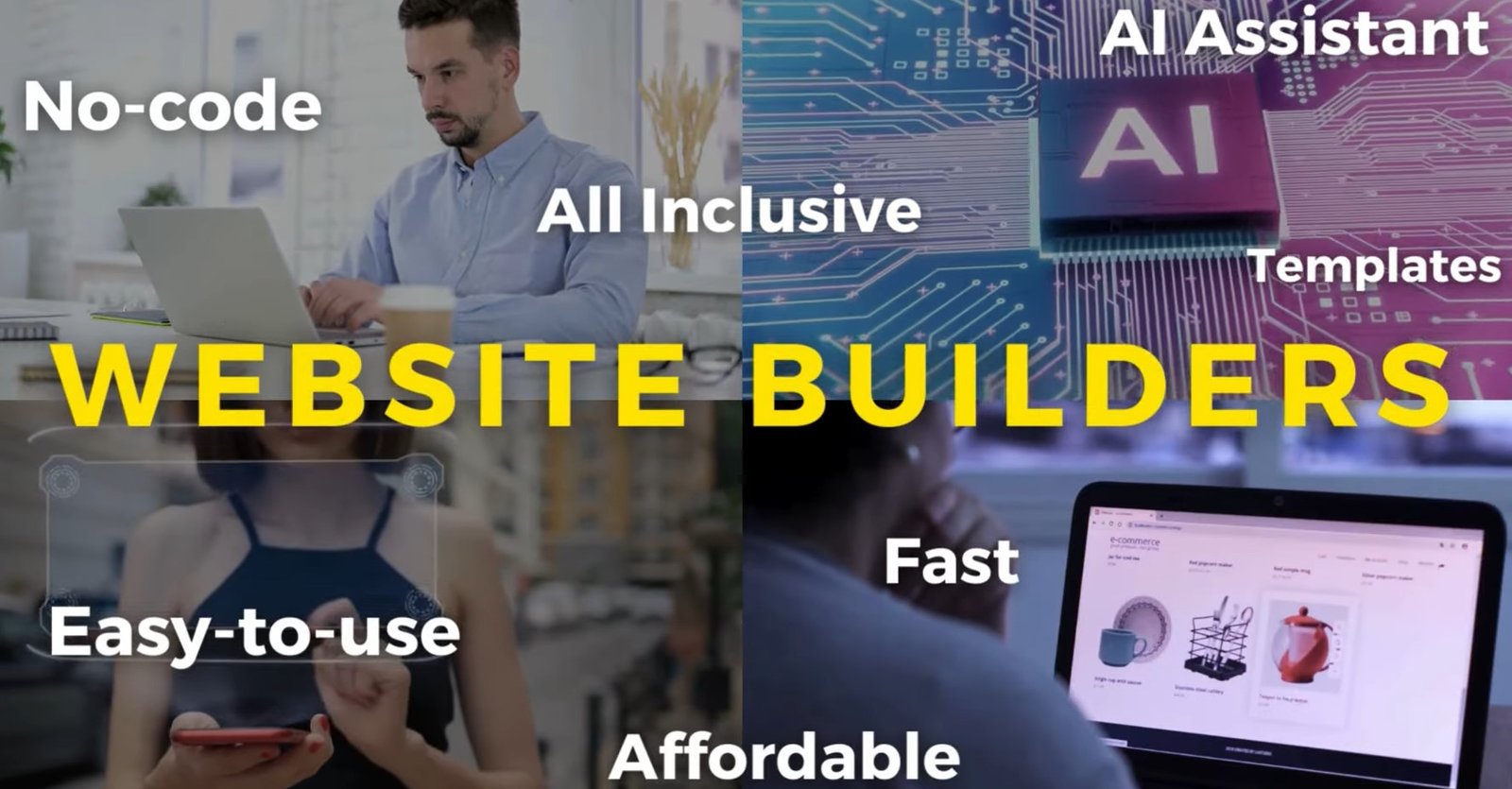
Choosing the “best” website builder in 2025 really depends on your specific needs, technical skills, and the type of website you want to create. However, based on expert reviews and current trends as of 2025, here are some of the top contenders and their strengths:
Top Overall Website Builders:
- Wix: Consistently praised for its ease of use, intuitive drag-and-drop editor, and a vast library of professionally designed templates (over 900). Wix is an excellent all-around builder suitable for beginners and those who want a lot of creative control without coding. It also offers AI-powered tools to help you get started quickly. While it has a free plan, serious users will need to upgrade for a custom domain and e-commerce features.
- Squarespace: Known for its elegant and modern templates, making it a favourite for creatives, service-based businesses, and those who prioritize aesthetics. Squarespace offers a user-friendly block editor and strong features for blogging, portfolios, and e-commerce. While it doesn’t have a free plan, it offers a 14-day free trial.
- Shopify: The top choice for e-commerce. Shopify offers a comprehensive suite of tools specifically designed for selling online, including inventory management, payment processing, and marketing integrations. It has a user-friendly interface and a vast app store to extend its functionality. Pricing starts at a reasonable monthly fee, with options for scaling your online store.
Other Highly Recommended Website Builders:
- WordPress.org (Self-Hosted): The most powerful and flexible option, powering a significant portion of the internet. WordPress.org requires you to handle your own hosting, but it offers unparalleled customization through themes and plugins. It’s suitable for all types of websites, from blogs to complex e-commerce stores and membership sites. While the core software is free, you’ll need to pay for hosting and potentially premium themes and plugins.
- Hostinger Website Builder (formerly Zyro): A budget-friendly option that’s also easy to use, making it a great choice for beginners. Hostinger’s builder offers a drag-and-drop interface, AI-powered tools for website creation and content generation, and affordable plans. It’s a good alternative for those looking for a balance between cost and functionality.
- Webflow: A powerful no-code platform that offers advanced design flexibility for those who want more control over their website’s look and feel without writing code. It has a steeper learning curve than some other builders but is a favourite among designers and developers for its robust features and clean code output.
- GoDaddy Website Builder: Known for its ease of use and quick setup. GoDaddy’s builder is a good option for individuals and small businesses that want to get online fast. It offers a simple editor and integrated marketing tools.
- Duda: A strong option for designers and agencies that build websites for clients. Duda offers a white-label option and features designed for collaboration and client management.
- SITE123: Marketed as one of the easiest website builders, focusing on simplicity and speed. It’s a good choice for beginners who need a basic website up and running quickly.
Key Factors to Consider When Choosing a Website Builder:
- Ease of Use: How comfortable are you with technology? Do you prefer a drag-and-drop interface or are you willing to learn a more complex system?
- Type of Website: Are you building a blog, portfolio, e-commerce store, business website, or something else? Some builders are better suited for specific types of sites.
- Features and Functionality: Do you need advanced features like e-commerce tools, membership options, booking systems, or marketing integrations?
- Design Flexibility: How much control do you want over the look and feel of your website?
- Scalability: Do you anticipate your website growing in the future? Choose a builder that can accommodate your growth.
- Pricing: Consider your budget and the long-term costs, including subscription fees, domain registration, and any add-ons.
- Customer Support: How important is it to have access to reliable customer support?
Emerging Trends in Website Builders for 2025:
- AI-Powered Features: More builders are integrating AI to help with website design, content creation, and even SEO.
- Enhanced E-commerce Capabilities: Website builders are continuously adding more robust features for online stores to compete with dedicated e-commerce platforms.
- Greater Design Flexibility without Code: Builders are striving to offer more advanced design options within user-friendly, no-code interfaces.
- Focus on Mobile Responsiveness: Ensuring websites look and function flawlessly on all devices remains a top priority.
Recommendation:
For most users in 2025, Wix stands out as the best overall due to its balance of ease of use, design flexibility, and comprehensive features. However, if your primary focus is e-commerce, Shopify is the clear leader. For users who want maximum control and scalability, WordPress.org remains the top choice, albeit with a steeper learning curve. Beginners on a budget might find Hostinger Website Builder a compelling option.
Ultimately, the best way to choose a website builder is to try out a few different platforms (many offer free trials or plans) to see which one best fits your individual needs and preferences.