
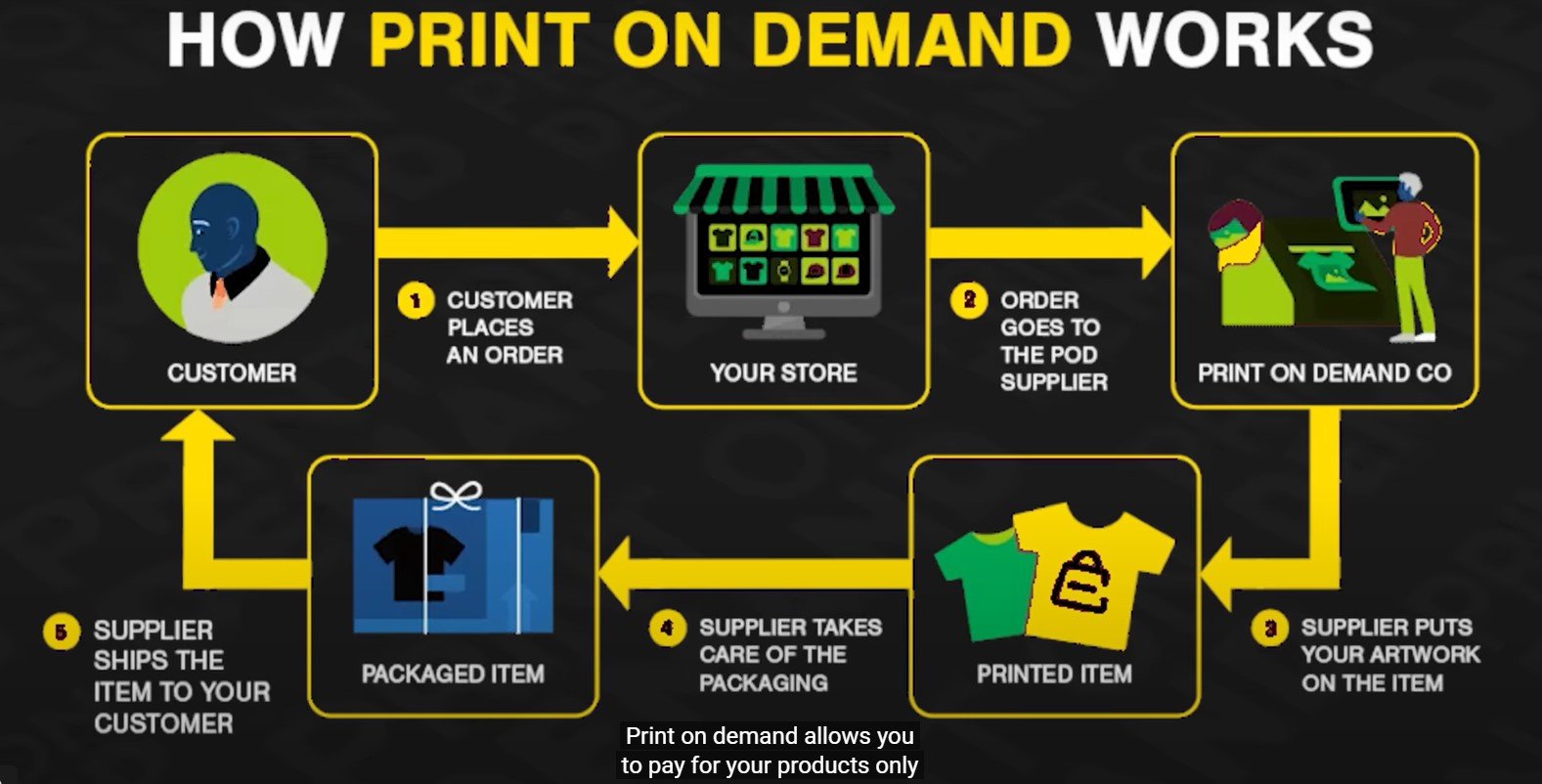
Welcome to the exciting world of Print On-Demand (POD) in 2025! This step-by-step tutorial is designed for beginners who want to learn how to create and sell custom products online without holding any inventory. POD is a fantastic way to start an e-commerce business with minimal upfront investment, as products are only printed when a customer places an order.
Here’s your full beginner’s guide to launching a successful POD business in 2025:
Step 1: Niche Selection & Business Idea
- Identify Your Interests & Expertise: Start by thinking about your passions, hobbies, and areas where you have knowledge. Combining your interests with a market need is a recipe for a fulfilling and potentially profitable business.
- Research Market Trends: Use tools like Google Trends and social media analytics to identify popular and emerging trends. Look at what people are talking about and what products are gaining traction.
- Analyze the Competition: Examine existing POD stores on platforms like Etsy and Shopify. Identify gaps in their product lines and read customer reviews to understand how you can offer better products or cater to underserved needs.
- Define Your Target Audience: Determine the specific group of shoppers you want to reach. Niche-specific marketing campaigns are more effective and resonate better with your audience.
Step 2: Product & Design Creation
- Brainstorm Product Ideas: Based on your niche, decide what types of products you want to sell. Popular POD products include t-shirts, mugs, posters, phone cases, and home décor.
- Create Your Designs:
- DIY: If you have design skills, use tools like Canva (free and paid), Adobe Photoshop, or Illustrator to create your unique designs.
- Premade Assets: Utilize websites like Creative Fabrica or Envato Elements for graphics and templates, ensuring you have the correct commercial licenses.
- Hire a Designer: If you don’t have design skills, consider hiring a freelancer on platforms like Fiverr or Upwork.
- Validate Your Designs: Before listing many products, get feedback on your designs. Share them on social media or with friends to gauge interest.
Step 3: Choosing a Print-on-Demand Provider
- Research Platforms: Several POD companies can handle printing and shipping for you. Some popular choices in 2025 include:
- Printful: Known for high-quality prints and a wide range of products. They offer branding options and integrations with many e-commerce platforms.
- Printify: Offers access to a large network of print providers, potentially leading to more competitive pricing and varied product options.
- Gooten: Provides a diverse catalog, including unique home goods and global fulfillment options.
- Redbubble: Functions as a marketplace as well, potentially giving your designs more visibility.
- Zazzle: Another marketplace with extensive customization options.
- Evaluate Key Factors: When choosing a provider, consider:
- Product Range: Ensure they offer the products you want to sell.
- Print Quality: Request samples to assess the quality of their printing.
- Pricing: Understand their production costs and how they affect your profit margins.
- Shipping Costs & Times: Check their shipping rates and delivery estimates.
- Integration: Ensure they integrate seamlessly with your chosen e-commerce platform.
- Customer Support: Read reviews or contact their support to gauge responsiveness.
Step 4: Setting Up Your Online Store
- Choose an E-commerce Platform: You’ll need an online store to showcase and sell your products. Popular options include:
- Shopify: A robust and user-friendly platform with excellent POD app integrations.
- Etsy: Ideal if your niche aligns with Etsy’s focus on unique and creative goods.
- WooCommerce (for WordPress): A flexible option if you already have or prefer using WordPress.
- BigCommerce: A scalable platform suitable for growing businesses.
- Fourthwall: An all-in-one platform specifically designed for creators, with built-in POD and monetization features.
- Connect Your POD Provider: Most e-commerce platforms have apps or integrations that connect directly with POD services, automating the order fulfillment process.
- Design Your Store: Create an attractive and easy-to-navigate online store that reflects your brand.
- Write Compelling Product Descriptions: Clearly describe your products and highlight their unique features and benefits.
- Upload High-Quality Product Mockups: Use mockup generators (often provided by the POD platform or tools like Placeit) to display your designs on the products.
Step 5: Pricing Your Products
- Calculate Your Costs: Factor in the production cost from your POD provider, shipping fees (either you or the customer pays), and any platform fees.
- Research Competitor Pricing: See how similar products are priced in your niche.
- Determine Your Profit Margin: Decide on the profit you want to make on each sale.
- Consider Psychological Pricing: Experiment with pricing strategies (e.g., ending prices in .99).
Step 6: Marketing and Promotion
- Social Media Marketing: Create engaging content showcasing your products on platforms like Instagram, Pinterest, Facebook, and TikTok.
- Content Marketing: Start a blog related to your niche to attract organic traffic and establish yourself as an authority.
- Email Marketing: Build an email list to share new designs, promotions, and engage with your audience.
- Paid Advertising: Consider running targeted ads on social media or search engines to reach a wider audience.
- Collaborate with Influencers: Partner with relevant influencers to promote your products to their followers.
- Offer Discounts and Promotions: Incentivize purchases with sales, coupons, and bundles.
Step 7: Customer Service
- Provide Excellent Support: Respond promptly and helpfully to customer inquiries.
- Establish Clear Policies: Have clear policies regarding shipping, returns, and exchanges.
- Encourage Feedback and Reviews: Positive reviews build trust and can lead to more sales.
Key Considerations for Success in :
- Focus on Niche and Branding: A well-defined niche and strong branding will help you stand out in a competitive market.
- High-Quality Designs and Products: Customer satisfaction is crucial for repeat business and positive word-of-mouth.
- Mobile Optimization: Ensure your online store is mobile-friendly, as many customers will browse and purchase on their phones.
- Fast Shipping: While you rely on your POD provider, clear communication about shipping times is essential. Consider providers with faster fulfillment options.
- Sustainability: Increasingly, customers value eco-friendly products and practices. If possible, consider POD providers with sustainable options.
- AI Tools: Explore how AI can assist with design ideas, writing product descriptions, and even marketing content creation, but always maintain a human touch.
Starting a print-on-demand business in 2025 is an accessible and exciting opportunity. By following these steps and staying adaptable to the evolving e-commerce landscape, you can build a successful and profitable online venture. Remember that consistency, effort, and a focus on providing value to your customers are key to long-term success.