
Ranking number one on Google in 2025 involves a comprehensive understanding of Search Engine Optimization (SEO) principles and adapting to the evolving search landscape. While achieving the top spot is a continuous effort and not guaranteed, especially for competitive keywords, here’s a detailed guide for beginners to build a strong SEO foundation and significantly improve their chances:
I. Understanding the Fundamentals of SEO:
- What is SEO? Search Engine Optimization is the practice of optimizing your website content and technical setup to rank higher in search engine results pages (SERPs) for relevant keywords. The goal is to increase organic (non-paid) traffic to your website.
- How Search Engines Work: Google and other search engines use complex algorithms to crawl and index web pages. They analyze various factors to understand the content, relevance, and authority of a page to determine its ranking for specific search queries.
- Key Pillars of SEO: SEO can be broadly categorized into three main pillars:
- Technical SEO: Ensuring your website is technically sound for search engines to crawl, index, and understand.
- On-Page SEO: Optimizing the content and HTML of individual pages to target specific keywords and improve user experience.
- Off-Page SEO: Building your website’s authority and reputation through external factors like backlinks and social signals.
II. Technical SEO: Building a Strong Foundation:
- Website Structure and Navigation:
- Clear URL Structure: Use simple, descriptive URLs that are easy for both users and search engines to understand (e.g.,
www.example.com/blog/seo-for-beginnersinstead ofwww.example.com/page?id=123). - Logical Site Architecture: Organize your website content in a hierarchical and intuitive way, making it easy for users to navigate and for search engine crawlers to discover all important pages.
- Internal Linking: Link relevant pages within your website to help distribute link equity, improve navigation, and provide context to search engines.
- Clear URL Structure: Use simple, descriptive URLs that are easy for both users and search engines to understand (e.g.,
- Mobile-Friendliness (Mobile-First Indexing):
- Ensure your website is fully responsive and provides an excellent user experience on all devices, especially mobile. Google primarily uses the mobile version of your site for indexing and ranking.
- Use Google’s Mobile-Friendly Test tool to check your website’s mobile usability.
- Website Speed and Performance:
- Fast loading times are crucial for user experience and SEO. Optimize images, leverage browser caching, minify CSS and JavaScript, and consider using a Content Delivery Network (CDN).
- Use tools like Google PageSpeed Insights to analyze your website’s speed and identify areas for improvement.
- Crawlability and Indexability:
- Robots.txt: Use a
robots.txtfile to instruct search engine crawlers which pages or sections of your website they should not access. - Sitemap.xml: Submit an XML sitemap to search engines to help them discover and index all the important pages on your website.
- Broken Links: Regularly check for and fix any broken internal or external links on your website, as they can negatively impact user experience and SEO.
- Robots.txt: Use a
- HTTPS Security: Ensure your website uses HTTPS (Hypertext Transfer Protocol Secure) with an SSL certificate. This is a ranking signal and essential for user trust and data security.
- Structured Data Markup (Schema Markup): Implement schema markup to provide search engines with more context about the content on your pages. This can lead to rich snippets in search results, improving visibility and click-through rates (CTR). Examples include schema for articles, products, events, FAQs, and more.
III. On-Page SEO: Optimizing Your Content:
- Keyword Research:
- Identify the keywords and phrases that your target audience uses when searching for information related to your business or website content.
- Use keyword research tools (e.g., Google Keyword Planner, Ahrefs, SEMrush) to find relevant keywords with a good balance of search volume and lower competition (especially as a beginner).
- Focus on long-tail keywords (longer, more specific phrases) as they often have lower competition and can attract highly qualified traffic. For example, instead of “coffee,” target “best organic fair-trade coffee beans online.”
- High-Quality and Relevant Content:
- Create valuable, informative, engaging, and original content that directly addresses the needs and questions of your target audience.
- Content should be comprehensive, well-researched, and provide unique insights or solutions.
- Focus on user intent – understand why someone is searching for a particular keyword and create content that satisfies that intent.
- Keyword Optimization:
- Title Tags: Craft compelling and keyword-rich title tags (around 50-60 characters) for each page. The primary keyword should ideally be placed at the beginning.
- Meta Descriptions: Write engaging and concise meta descriptions (around 150-160 characters) that summarize the page’s content and encourage users to click. While not a direct ranking factor, they significantly influence CTR.
- Header Tags (H1-H6): Use header tags to structure your content logically and highlight important keywords and subtopics. Use only one H1 tag per page, typically for the main title.
- Body Content: Naturally incorporate relevant keywords throughout your body content. Avoid keyword stuffing, which can harm your rankings. Focus on creating readable and valuable content for users.
- Image Optimization: Use descriptive file names and alt text for your images, incorporating relevant keywords where appropriate. Optimize image file sizes to improve page loading speed.
- User Experience (UX):
- Design a user-friendly website with clear navigation, readable fonts, and a visually appealing layout.
- Ensure your content is easy to scan and digest with headings, subheadings, bullet points, and short paragraphs.
- Reduce bounce rate by providing engaging content that keeps users on your site.
- Improve dwell time (the amount of time users spend on your page) by creating in-depth and interesting content.
IV. Off-Page SEO: Building Authority and Reputation:
- Link Building:
- Earn high-quality backlinks from authoritative and relevant websites. Backlinks are a crucial ranking factor, as they signal to search engines that other websites trust your content.
- Focus on natural and ethical link-building strategies, such as:
- Creating valuable content that others will want to link to.
- Guest blogging on relevant industry websites.
- Reaching out to other websites and offering your content as a resource.
- Participating in relevant online communities and forums.
- Earning mentions and links through public relations efforts.
- Avoid black-hat link-building tactics like buying links or participating in link farms, as these can result in penalties.
- Social Signals:
- While not a direct ranking factor, social media engagement (likes, shares, comments) can indirectly influence SEO by increasing your content’s visibility and potentially leading to more backlinks.
- Promote your content on relevant social media platforms and encourage engagement.
- Brand Building:
- Establish a strong brand presence online and offline. A reputable brand often attracts more organic traffic and backlinks.
- Encourage positive reviews and mentions of your brand across the web.
- Local SEO (if applicable):
- If you have a local business, optimize your Google Business Profile, get listed in relevant online directories, and encourage customer reviews. Local SEO helps you rank for searches within your geographic area.
V. Monitoring, Analysis, and Adaptation:
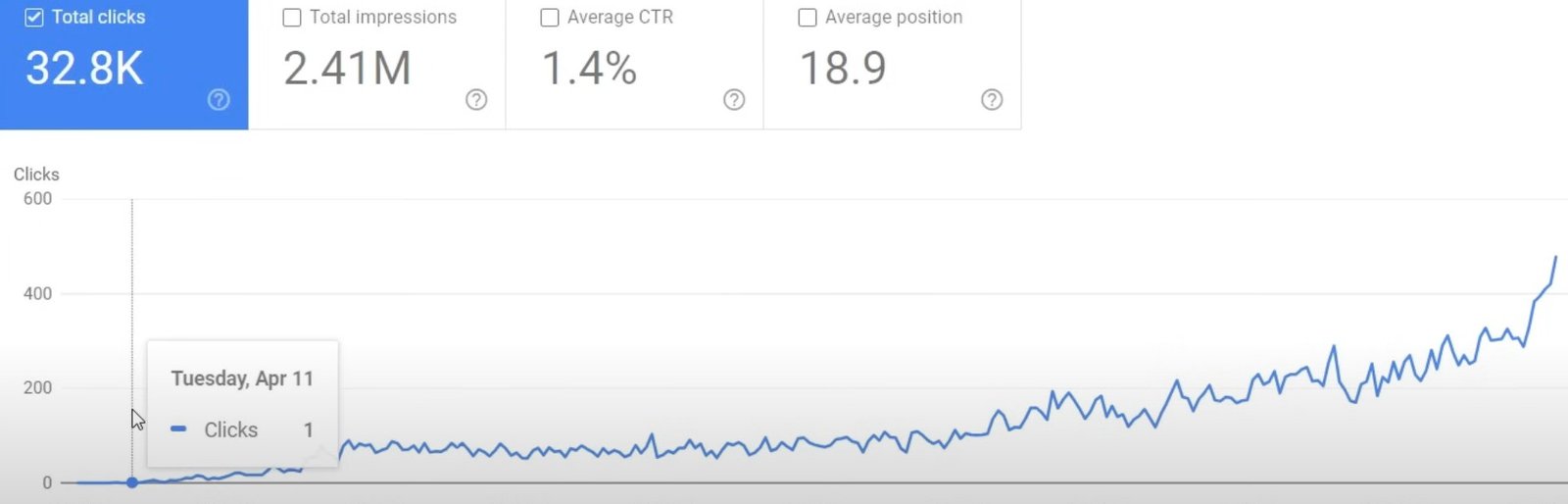
- Use Google Search Console: This free tool provides valuable insights into your website’s performance in Google search, including crawl errors, index coverage, search queries, and more. Monitor it regularly to identify and fix issues.
- Use Google Analytics: Track your website traffic, user behavior, and conversions to understand how your SEO efforts are performing. Analyze which keywords are driving traffic and which pages are most engaging.
- Track Your Rankings: Monitor your website’s ranking for your target keywords using SEO tracking tools. This helps you assess the effectiveness of your optimization efforts.
- Stay Updated: The SEO landscape is constantly evolving as search engine algorithms change. Stay informed about the latest trends, best practices, and algorithm updates by following reputable SEO blogs and resources.
- Be Patient and Persistent: SEO is a long-term strategy. It takes time to build authority and see significant results. Be consistent with your efforts and don’t get discouraged if you don’t see immediate results.
Key Strategies for Ranking #1 in 2025:
- Focus on E-E-A-T (Experience, Expertise, Authoritativeness, Trustworthiness): Google increasingly emphasizes websites that demonstrate these qualities, especially for “Your Money or Your Life” (YMYL) topics. Create high-quality, accurate content from credible sources, showcase author expertise, and build trust with your audience.
- Optimize for User Intent: Deeply understand the different types of search intent (informational, navigational, transactional, commercial investigation) and create content that perfectly matches what users are looking for.
- Content Depth and Comprehensiveness: Aim to create in-depth, comprehensive content that covers all aspects of a topic. Longer, high-quality content often performs better in search results.
- Video SEO: Optimize your video content for search by using descriptive titles, tags, and transcripts. Video can significantly enhance user engagement and attract organic traffic.
- Voice Search Optimization: Consider how users might phrase their queries in voice searches and optimize your content accordingly using natural language.
- AI and SEO: Be aware of how AI is influencing search and content creation. While AI can assist with content generation, prioritize human expertise and ensure your content is original, accurate, and provides real value.
In Conclusion:
Ranking number one on Google in 2025 requires a holistic approach that encompasses technical excellence, compelling on-page optimization, and strong off-page authority. By focusing on providing value to users, adhering to best practices, and continuously adapting to the evolving search landscape, beginners can build a solid SEO foundation and significantly improve their chances of achieving top rankings for their target keywords. Remember that consistency, patience, and a commitment to quality are key to long-term SEO success. Sources and related content